HTML & CSS Fundamentals
Structure and style, done properly — semantics, layout and responsive design.
What this module covers
4 topics
- 01Semantic HTML
- 02Flexbox & Grid
- 03Responsive design
- 04Accessibility basics
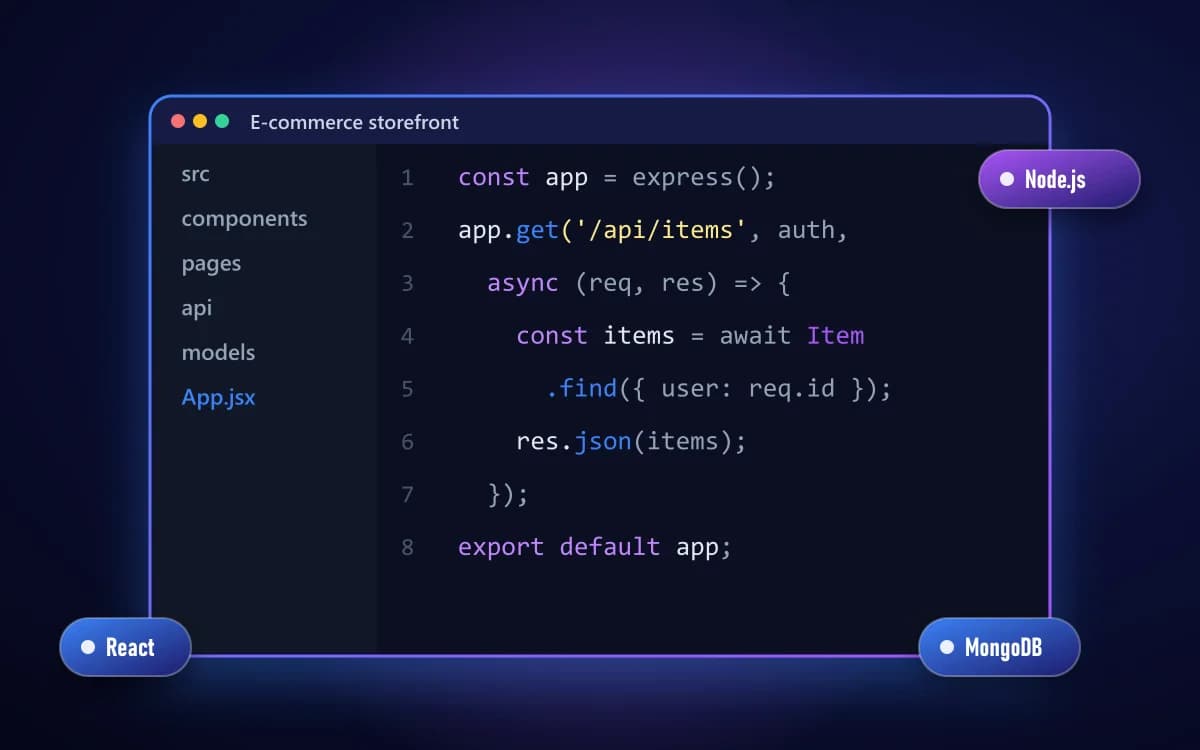
Front to back, database to deploy — build and ship complete web applications.
6 Months
Programme length
Beginner to Advanced
Difficulty level
Classroom & live online
Format
Certificate
On completion

Admissions open
Free demo class & counselling
Session slots
A 6 Months, beginner to advanced programme taught at our Hoshiarpur centre in Model Town and live online, with live projects and placement support built in.
A six-month programme that takes you from your first HTML page to a deployed, database-backed application. You write the front end, the API and the data layer, then put the whole thing online under code review.
Key course facts
Core tools covered: HTML • CSS • JavaScript • React • Node.js • Express • MongoDB • Git
Certificate on completion
Awarded when you finish the course
Live project work
Built into the course, for your portfolio
Placement support
Included with every course
Morning, evening & weekend batches
At the centre or live online

Full Stack Web Development
6 MonthsBeginner to AdvancedHoshiarpur & live online
4.9 / 5
214 reviews
Classroom & live online
Morning, evening & weekend
6 modules and 24 topics across 6 Months, in the order you learn them. Open any module to see what it covers.
Structure and style, done properly — semantics, layout and responsive design.
What this module covers
4 topics
The language itself, then the browser APIs you use it through.
What this module covers
4 topics
Component thinking, state, and the patterns real applications use.
What this module covers
4 topics
Server-side JavaScript: routing, middleware, authentication and file handling.
What this module covers
4 topics
Modelling data for an application that has to change over time.
What this module covers
4 topics
Take one application from brief to production, with review at each stage.
What this module covers
4 topics
What you can do by the end of the course — each one practised in class and in the projects you build.
7
skills, start to finish
Build responsive websites that hold up on any screen
Develop complete applications front to back
Design and consume REST APIs
Model and query a database
Use Git and GitHub the way a team does
Debug across the browser, server and database
Deploy and configure an application for production
Tools covered in this course: HTML, CSS, JavaScript, React, Node.js, Express, MongoDB, Git, GitHub, VS Code, Postman, Vercel.
Every course includes live projects. These are the ones you finish this course holding — built in class and kept for your portfolio.

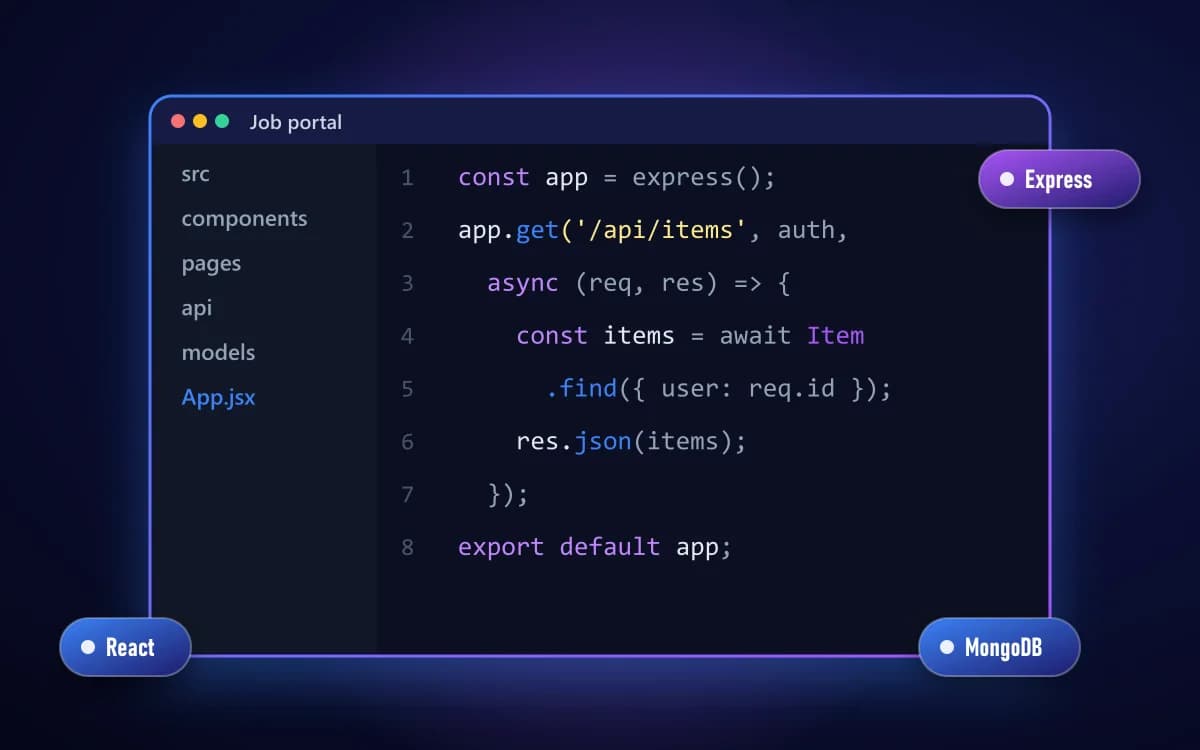
Catalogue, cart, checkout flow and an admin view, backed by a real database.
Skills practised State management, API design, Payments, Auth

Listings, applications and role-based dashboards for seekers and recruiters.
Skills practised Role-based access, Search & filters, File upload

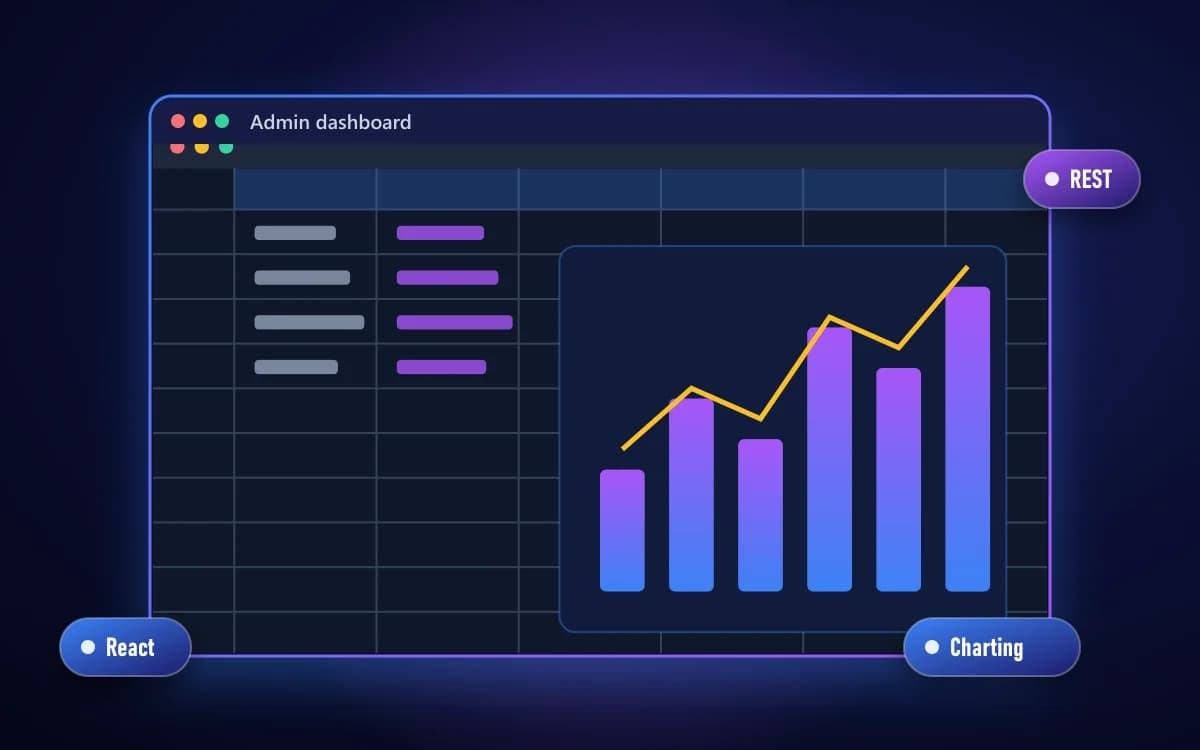
Charts, tables and CRUD over a live API, built to a supplied design.
Skills practised Data visualisation, Forms, Pagination

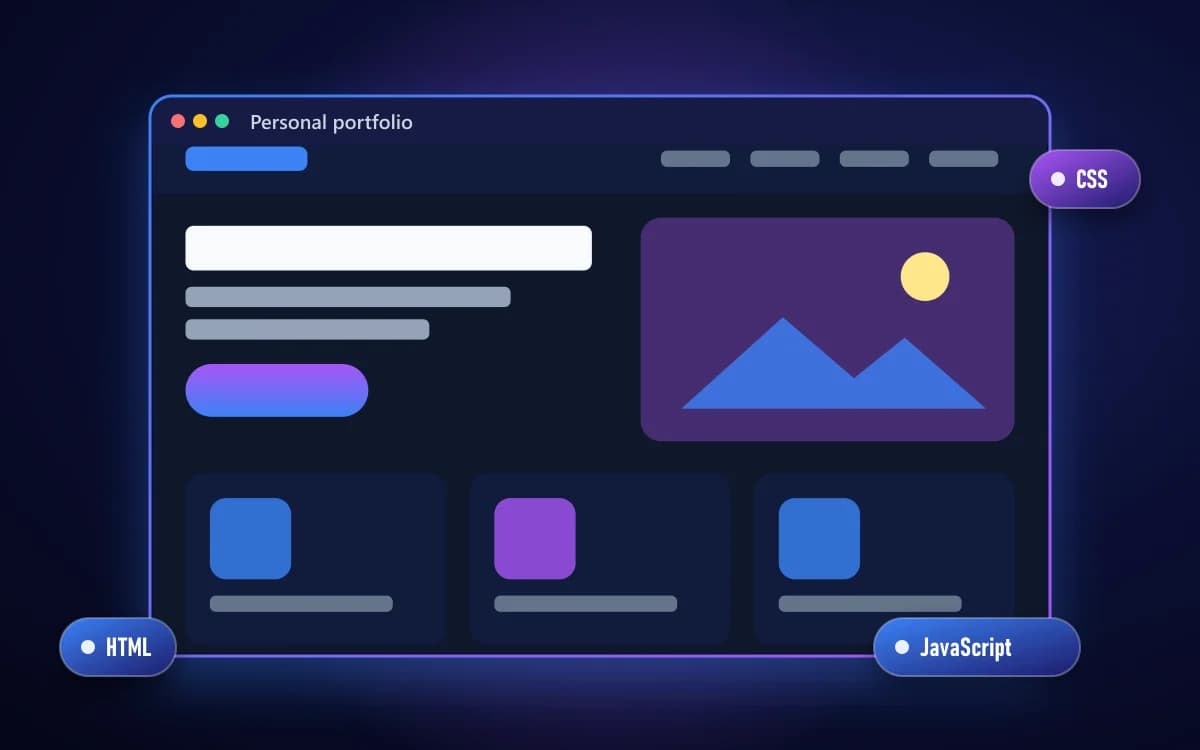
Your own deployed site — the first thing an interviewer opens.
Skills practised Responsive layout, Performance, Deployment
Counselling and the demo class are free. Come to the Hoshiarpur centre in Model Town or join live online, in a morning, evening or weekend batch.
Built backwards from what employers ask for and updated as the software changes.
You spend more time doing than watching. Every concept is practised on the software itself.
Small batches, direct access to your trainer, and reviews on the work you produce.
The same software, at current versions, that design offices, agencies and workshops use.
Mock rounds, portfolio review and the questions this particular role gets asked.
The programme ends with work you can show and a plan for the roles you are targeting.
6
Modules
6 Months
Course duration
Online / Offline
Mode of learning
Free
Counselling & demo class
Every trainer here has done the work they teach. That is the whole basis of the teaching: answers come from current practice rather than from a slide deck written three years ago.
Sessions are run by people who have worked in the field, so the examples come from real drawings, real campaigns and real jobs.
You build as you learn. Each module ends in something that runs, not in a quiz.
Small batches mean your mentor knows what you are stuck on and what you are aiming at.
Doubt sessions and mentor hours carry on after the certificate is printed.
The course is built for learners arriving from different starting points.
No prior experience needed — the first modules start from fundamentals.
Fits alongside a degree, with weekend and evening batches covering the same syllabus.
Build the portfolio and interview practice that a first role actually asks for.
A structured route in from another field, with guidance on how to position the move.
Skills you can bill for, plus the delivery habits clients expect.
Eligibility
Not sure whether your background fits? Counselling is free — tell us your background and goal and we will suggest the right batch, with no obligation.
The stack you work with in class and in the live projects.
Finishing Full Stack Web Development puts three separate documents in your file — each one for a different part of what you did.
Awarded when you complete the Full Stack Web Development programme. Where the track has a recognised vendor exam, we prepare you for that as well.
For the live project you build during Full Stack Web Development, naming the work and the tools you used — so the project on your CV is backed by paper, not just claimed.
Take your training as a university internship and you finish with an internship letter covering your weeks on a project team.
See internship trainingIllustration — ask to see a real certificate at the centre.
How the paper is used
The roles Full Stack Web Development prepares you for, and the kinds of employers who use these skills. Outcomes depend on your own work and the market — we prepare you for interviews, we do not promise a job or a number.
Placement support comes with every course — portfolio review, mock interviews and guidance on where to apply.
Talk about placementsMost Full Stack Web Development courses cover a similar syllabus. What separates them is what you build while you are there, and what happens after the last session.
At techcadd: Every module ends in built work, and the course finishes with a portfolio project that goes through review.
At most places: Varies — worth asking whether you finish with work you can show.
At techcadd: A completion certificate when you finish the course.
At most places: Varies from course to course.
At techcadd: Included with the course: portfolio review, mock interviews and preparation for the roles you are targeting.
At most places: Worth checking what is included and what is extra.
At techcadd: Free career counselling and a free demo class, with no registration fee.
At most places: Not always offered before enrolment.
At techcadd: At our Model Town centre in Hoshiarpur or live online — the same material, and you can switch if your schedule changes.
At most places: Often one format only.
At techcadd: Small batches in morning, evening and weekend slots, with direct access to your trainer.
At most places: Timings and batch sizes differ.
Compare us on the same points before you enrol anywhere — sit a demo class and ask to see the project work students finish with.
Students of Full Stack Web Development, on what made the difference for them.
4.9
214 ratings
I walked in with a commerce degree and no idea what an API was. Three deployed projects and a clean commit history did more for me in interviews than any certificate.
The code reviews were relentless in the best way. By the last module I was reading other people's pull requests without flinching.
Starting the project floor in month two was the difference. I stopped learning about development and started doing it.
Still unsure? A ten-minute call with a counsellor usually settles it faster than any brochure.
Ask us directly
What the call covers
Counselling and the demo class are both free.
Yes. The first two modules assume no prior coding, and the pace is set so fundamentals are solid before React arrives.
Basic computer familiarity. No prior programming, and no particular degree, is required.
Both. Batches run at the Hoshiarpur campus and online, covering identical material, so you can switch format if your schedule changes.
Yes. Scheduled doubt sessions run alongside the batch, and mentor hours continue after you finish the programme.
Yes. You receive a techcadd completion certificate once you finish the course and its final assessment.
Yes. Every module ends in work you complete yourself, and the course finishes with a portfolio project your trainer reviews with you.
Graduates typically target frontend, backend or full stack developer roles, and some take on freelance client work with the portfolio they build here.
Send your question and a counsellor will call you back — batch timings, fees, placement support, certification. No obligation to enrol.
We use your number only to answer this enquiry.
5 Months
MongoDB, Express, React and Node — one language end to end, from first component to a deployed full stack application.
3 Months
Frontend to backend — HTML, CSS, JavaScript, React, Node.js, databases and deployment, ending with applications you have shipped.
2 Months
Design and build websites that look right and work on every screen — HTML5, CSS3, JavaScript, Bootstrap and responsive layout.
4 Months
SEO, local search, social, paid ads, content and analytics — planned, run and measured on real campaigns.
Beyond the syllabus
Ready to get started?
Talk to a counsellor about Full Stack Web Development. One call is usually enough to know which track fits your background, your schedule and the job you want.