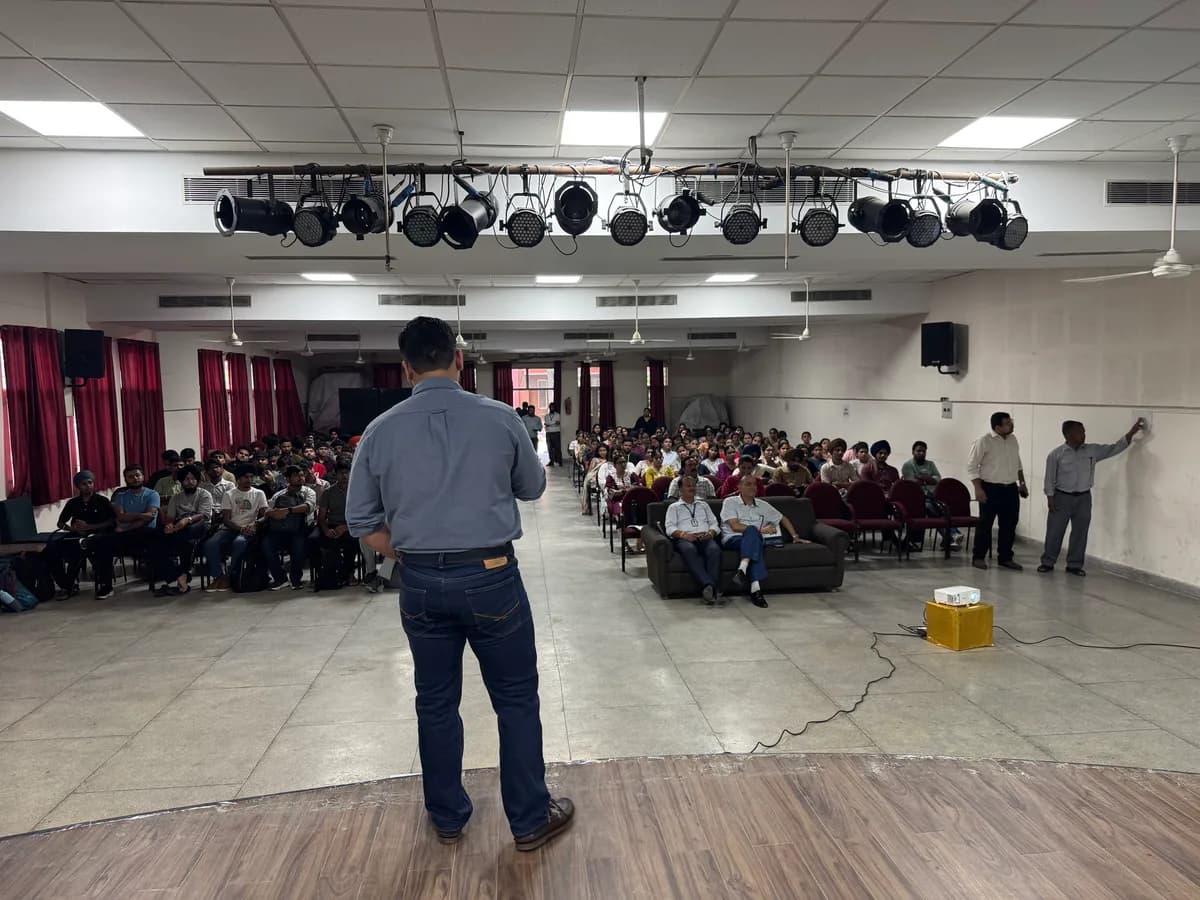
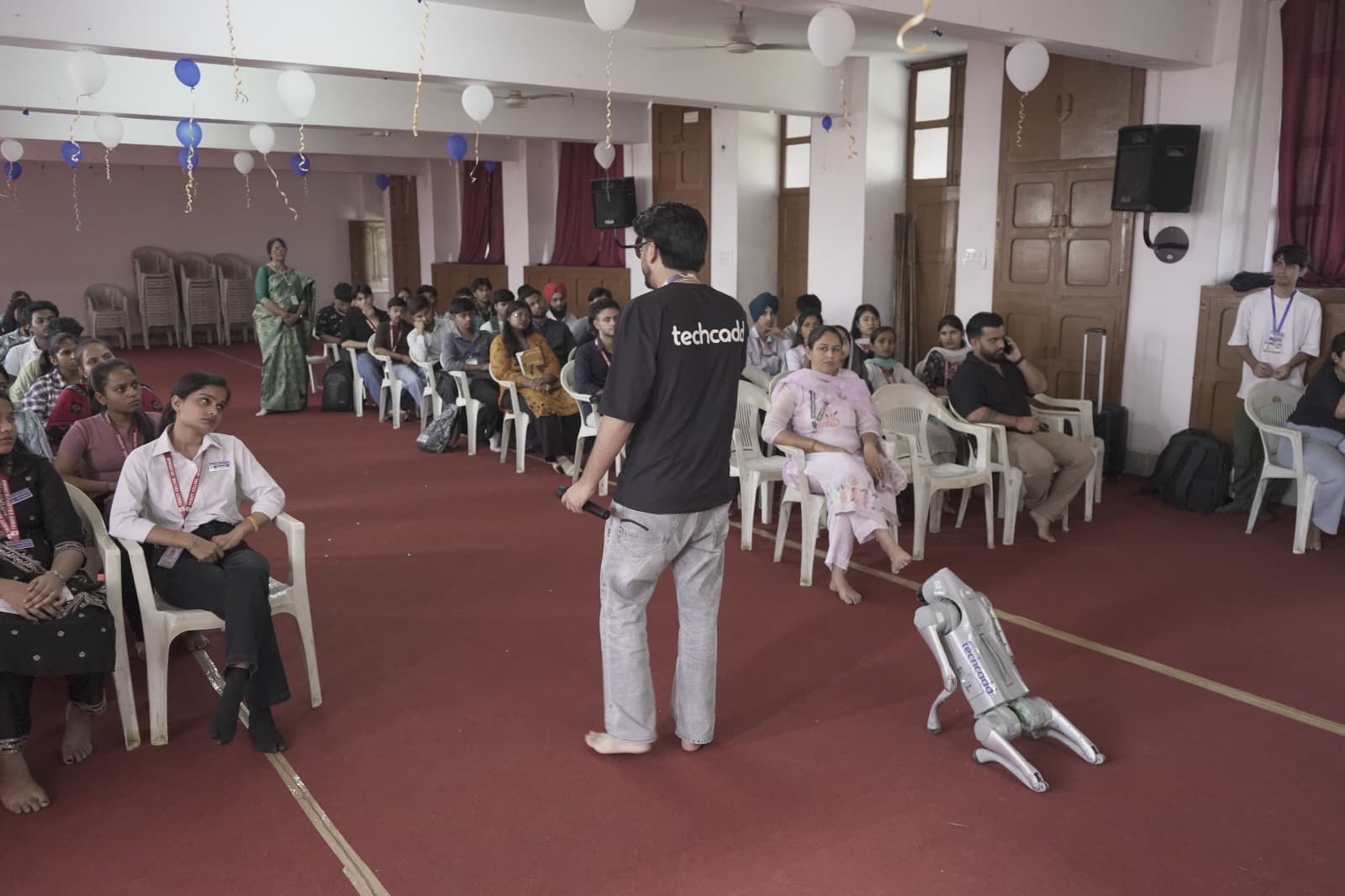
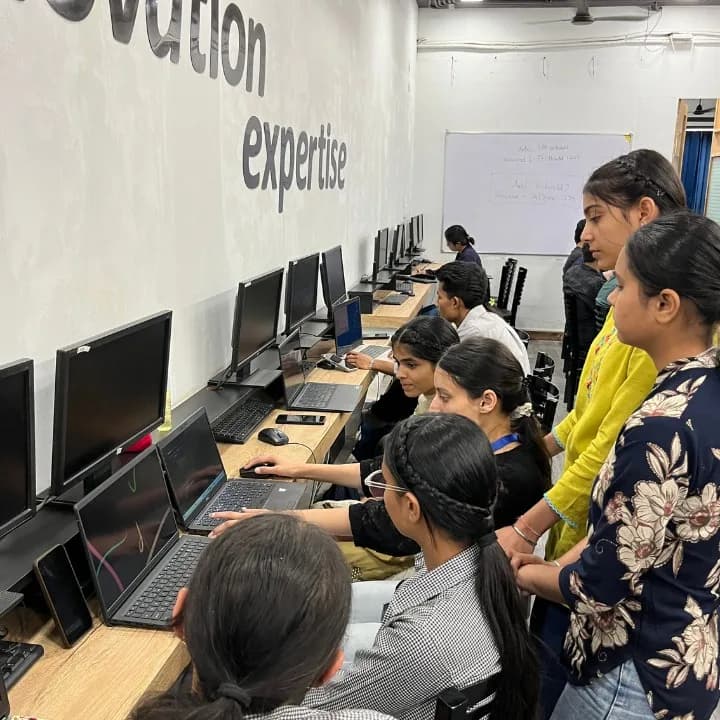
AI & robotics lab
GPU training rigs, robotics and IoT benches, open outside class hours.
About TechCADD Hoshiarpur
A decade of training engineers in Hoshiarpur, judged by the jobs our students land
rather than the certificates we print.
Who we are
TechCADD began as a single classroom in Hoshiarpur with one conviction: that a training institute should be judged by the careers it starts, not the certificates it prints.
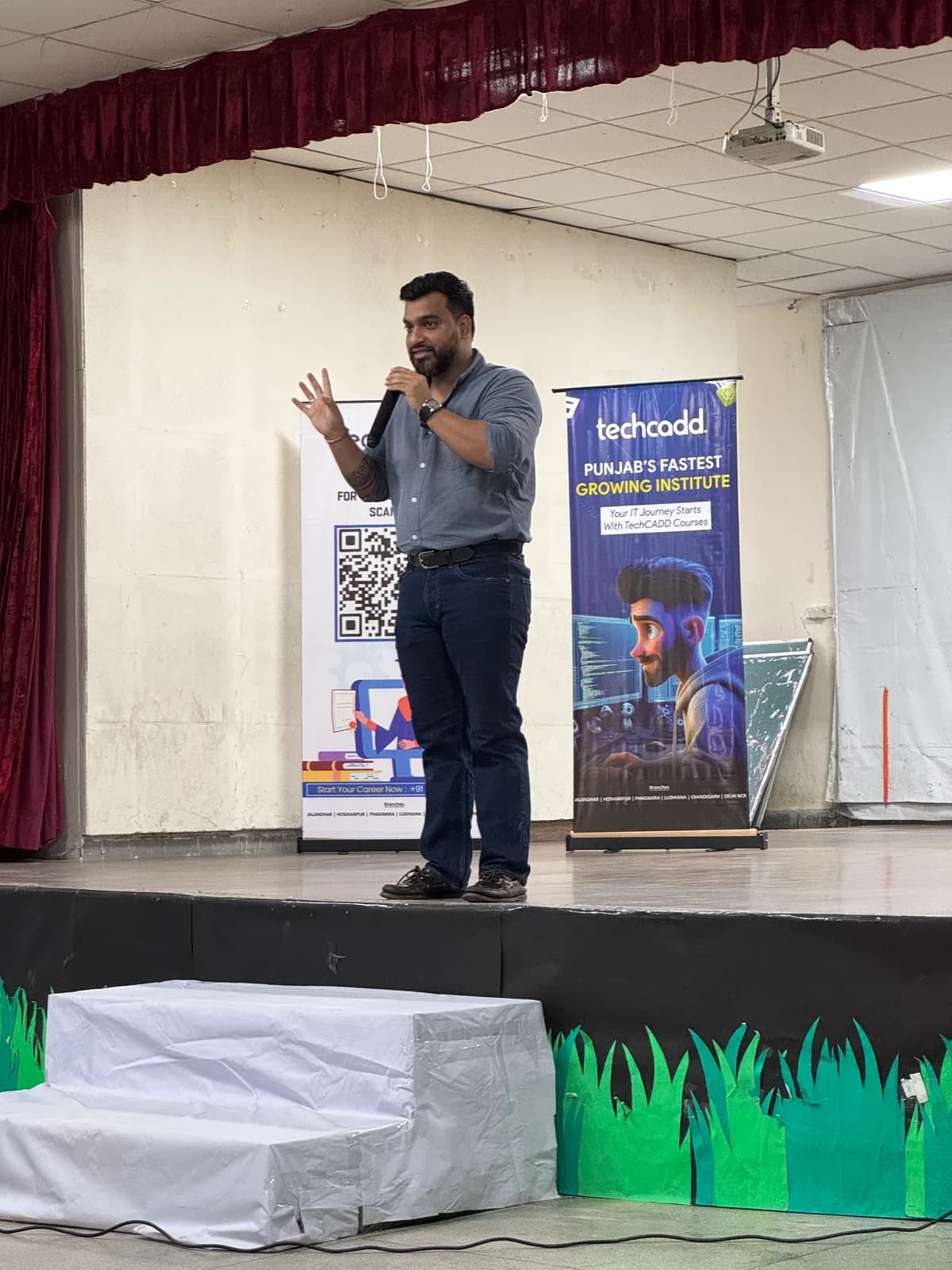
A decade on, that principle still runs the place. Our trainers ship production software. Our labs mirror the stacks companies actually hire for. Every programme ends where it should — with a student in a job they were genuinely prepared for.
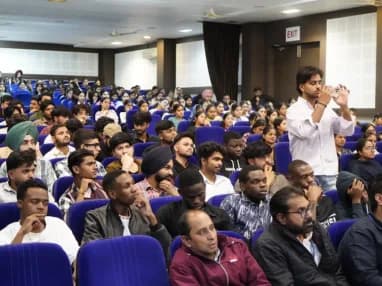
Around a third of every batch arrives from a non-technical degree. The foundation modules assume nothing, counselling happens before payment, and a student who lands in the wrong track is moved rather than left to struggle through it.
Our Purpose
Our mission
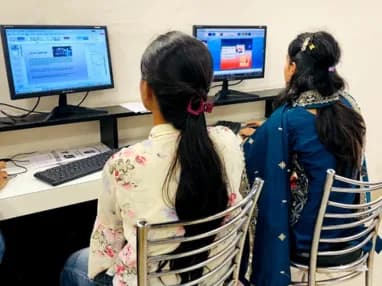
Curriculum built backwards from live job descriptions, taught by engineers who still ship code, and practised the same day on the real toolchain. A student leaves with deployed work, a commit history and the ability to defend both in an interview.
Our vision
Not the biggest training centre in the state — the one where a student's first job is better than the one they imagined when they walked in. Every lab, project floor and mentor hour exists to serve that single outcome.
Our journey
TechCADD opens with a single lab, a handful of machines, and one conviction: judge a training institute by the careers it starts.
Local software firms begin sending live briefs to our students — the beginning of the live project floor.
Six-month placements inside working teams become part of the core tracks rather than an optional extra.
GPU workstations and cloud sandboxes arrive as the hiring market shifts toward data and infrastructure roles.
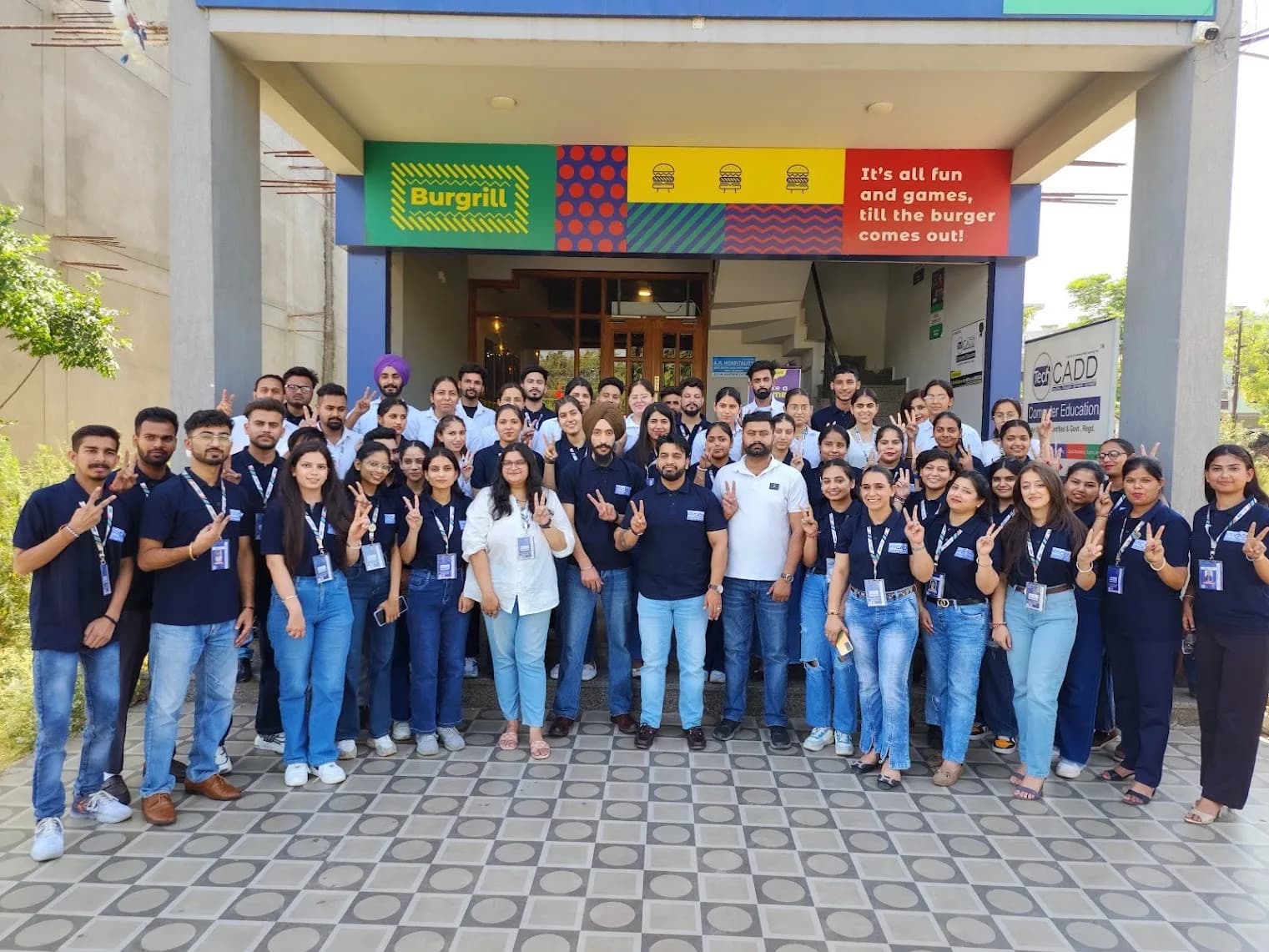
Alumni working across Bengaluru, Mohali, Gurugram, Pune, Hyderabad and beyond — and the same conviction.
What we stand for
Every trainer ships production code. Answers come from practice, not from a slide deck written three years ago.
Students leave with deployed work and a commit history — the things a hiring manager opens first.
If a track isn't right for you, we say so before you pay. A wrong enrolment helps nobody.
Doubt sessions, mentor hours and referrals continue after the certificate is printed.
More than training
GPU workstations, robotics benches and cloud sandboxes sit open outside class hours, because the hour a concept finally lands is rarely the hour it was taught.
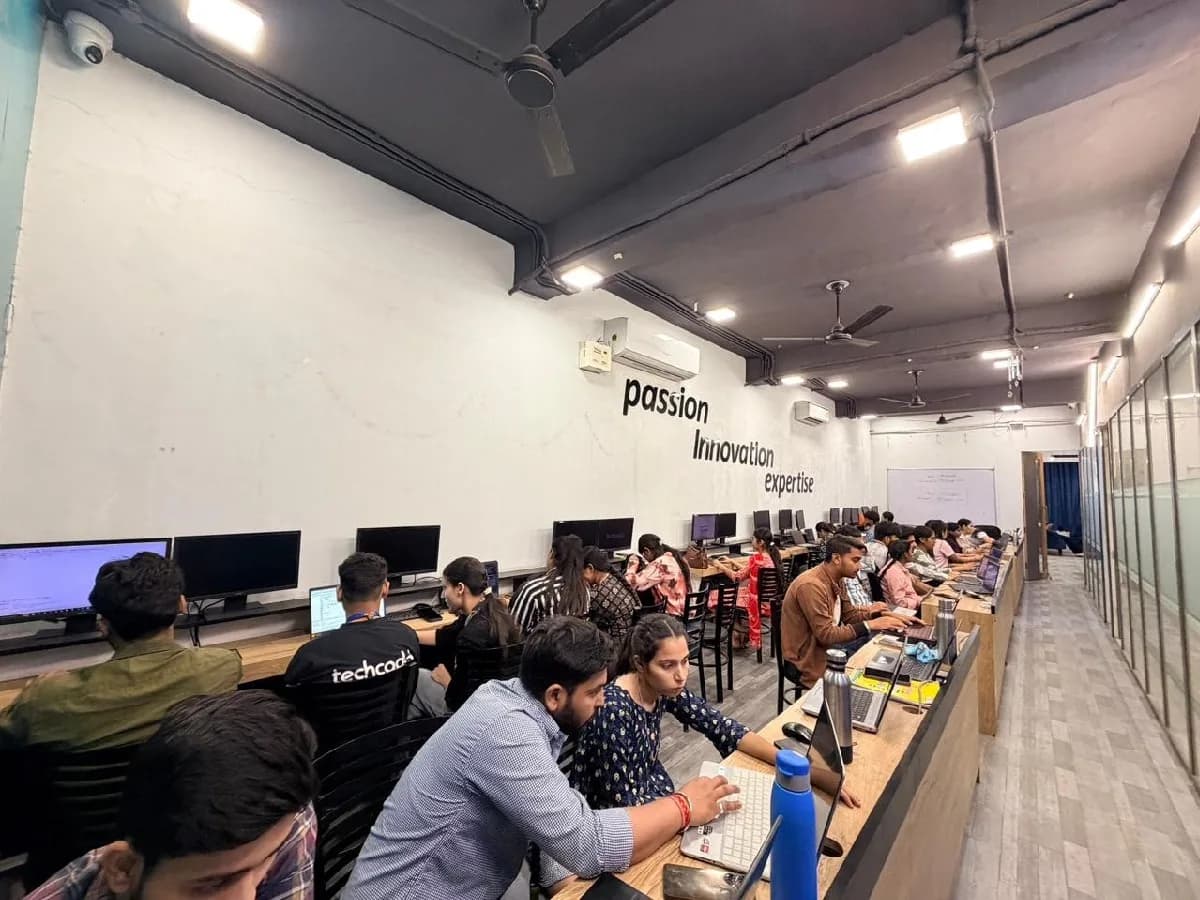
On the project floor, student teams take real client briefs through sprint planning, code review and release — the same rituals they will meet in their first week of work.
Mentors are working engineers who teach, review and refer. Many of them sit on the hiring panels our students eventually face.
GPU training rigs, robotics and IoT benches, open outside class hours.
Client briefs run through sprint planning, code review and release.
On-campus rounds, mentor referrals and support that runs until you land.
One-to-one hours, portfolio teardowns and mock technical rounds.
What we teach
Seven tracks, each rebuilt every year as the market moves. Grouping below is presentational — every name is taught as its own module inside the track it belongs to.
Why it matters
Every module is built backwards from a live job description, then rewritten each year as the stack moves.
Taught by engineers who still ship production code, so the answers come from practice rather than a slide.
Resume reviews, mock rounds, on-campus drives and mentor referrals — support that continues until you land.
Weekday, evening and weekend schedules covering identical material, so a job or a degree isn't a blocker.
Real briefs with deadlines, version control and code review. Portfolio work, not classroom exercises.
Industry-recognised completion certificates, plus vendor exam prep where the track calls for it.
Come and see for yourself
Book a free demo class, meet the trainer who would take your batch, and decide afterwards. Counselling first, payment second.