CNC Manual Programming
Writing G-code and M-code by hand, and reading anyone else's.
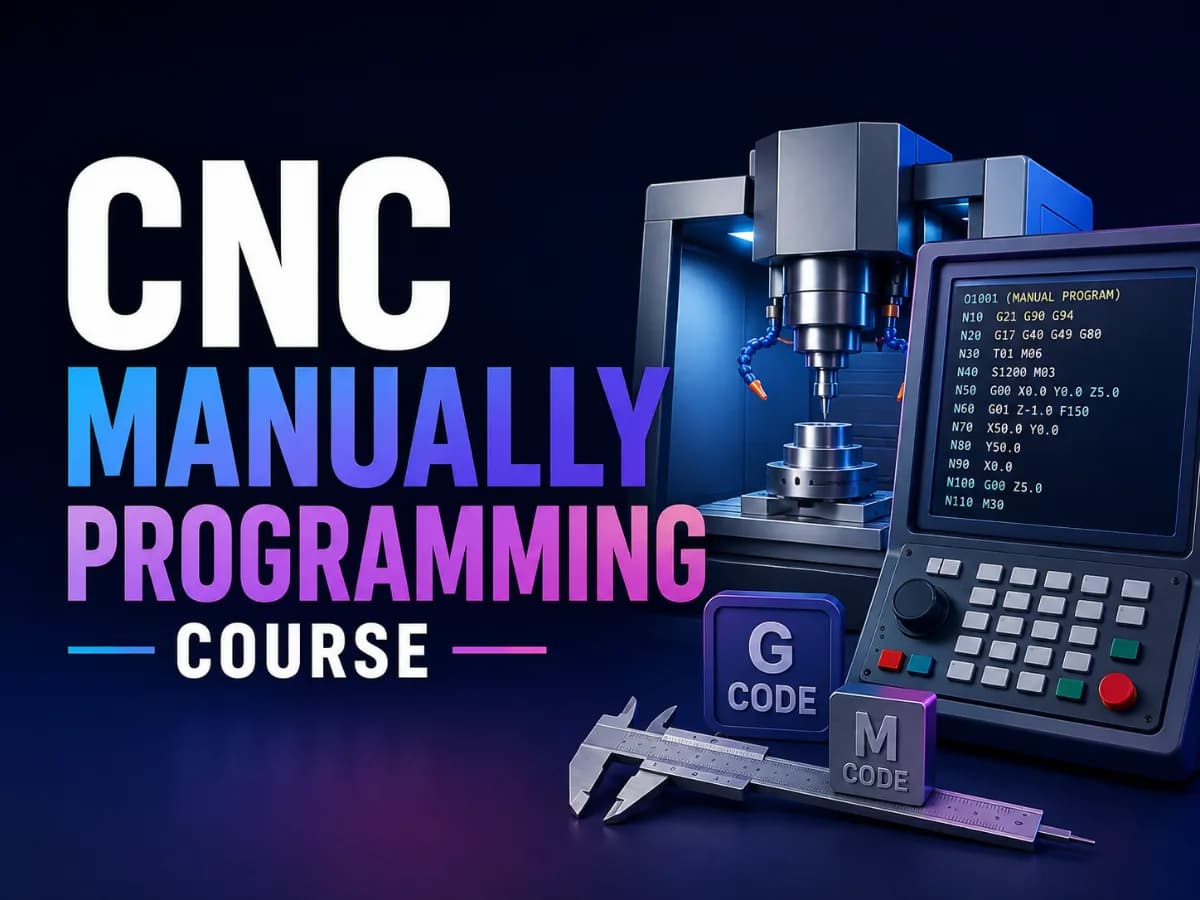
The skill that makes every CAM package make sense. You write programs by hand, dry-run them, and learn to debug a program at the machine when the post output is wrong.
- Category
- Civil & Mechanical Engineering
- Level
- Beginner to Intermediate
- Duration
- 6 Weeks
- Mode
- Online / Offline
 Introduction video coming soon
Watch Course Introduction
How the CNC Manual Programming track is run, module by module.
A short walkthrough of the syllabus, the projects you will build and how the batches are run — worth five minutes before you enrol.
Who can do this course?
The programme is built to work for people arriving from very different starting points.
Beginners
No prior experience needed — the first modules start from fundamentals.
College students
Fits alongside a degree, with weekend and evening batches covering the same syllabus.
Freshers
Build the portfolio and interview practice that a first role actually asks for.
Working professionals
Weekend batches and 1-on-1 mentoring for people training without taking leave.
Freelancers
Skills you can bill for, plus the delivery habits clients expect.
Why choose this program?
Six things that separate a programme you finish from one you benefit from.
- 01
Industry-oriented curriculum
Built backwards from live job descriptions and rewritten as the stack moves.
- 02
Hands-on from day one
You spend more time building than watching. Every concept lands in working code.
- 03
Mentor guidance
Small batches, direct access to your trainer, and reviews on the work you produce.
- 04
Real-world tools
The same editors, version control and deployment tooling teams use in production.
- 05
Interview preparation
Mock rounds, portfolio review and the questions this particular role gets asked.
- 06
Career-focused outcome
The programme ends with work you can show and a plan for the roles you are targeting.
Course modules
3 modules, 24 sessions — sequenced so each one builds on what you just shipped.
- 3 Modules
- 6 Weeks
- Beginner to Intermediate
- Certificate Included
- Beginner
- 3 Modules
- Intermediate
- Projects
- Certification
What this module covers
- Program structure
- G & M codes
- Coordinate systems
- Offsets
8 sessions
What you will learn
Concrete capabilities, not topics covered. Each one is demonstrated in work you keep.
- Read and write G-code and M-code
- Set work and tool offsets correctly
- Use canned cycles and cutter compensation
- Write mill and lathe programmes by hand
- Debug a programme safely at the machine
Tools & technologies you'll learn
The same tooling the teams hiring for this role use every day.
- Fanuc controls
- G-code
- M-code
- Canned cycles
- Simulators
Career outcomes
After completing CNC Manual Programming, these are the directions students most often take. Outcomes depend on your own work and the market — we do not promise placements or salaries.
Job roles to target
- CNC Operator
- CNC Programmer
- Setter
- Production Technician
Where the work is
- Design and drafting teams
- Manufacturing and production units
- Freelance drafting work
- Campus placements
Where to go next
- Advanced CAD modules
- Simulation & analysis
- CNC programming
- Product design
Industry applications
- Manufacturing
- Automotive
- Construction & infrastructure
- Tool rooms
Hands-on projects
Every module ends in built work. These are the pieces you finish the programme holding.

Hand-written mill programme
BeginnerA drawing turned into a verified programme without CAM.
- G-code
Skills practised: Program structure, Offsets, Canned cycles
- 0+Happy Students
- 0+Industry Projects
- 0%Practical Training
- YesIndustry Experts
Why learn with us?
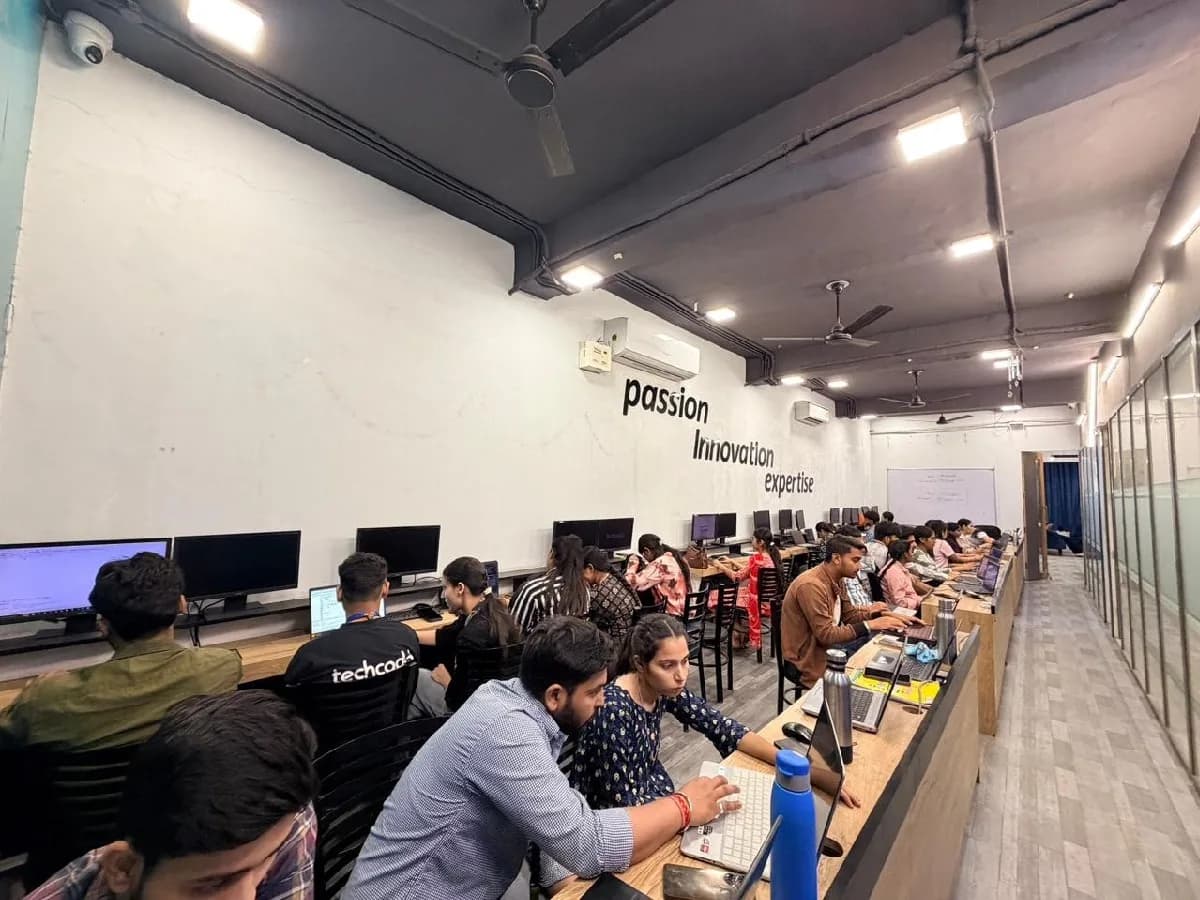
Every trainer here still ships production code. That is the whole basis of the teaching: answers come from current practice rather than from a slide deck written three years ago.
Practitioners, not presenters
Sessions are run by engineers working on live systems, so the examples come from real codebases.
Project-based from week one
You build as you learn. Each module ends in something that runs, not in a quiz.
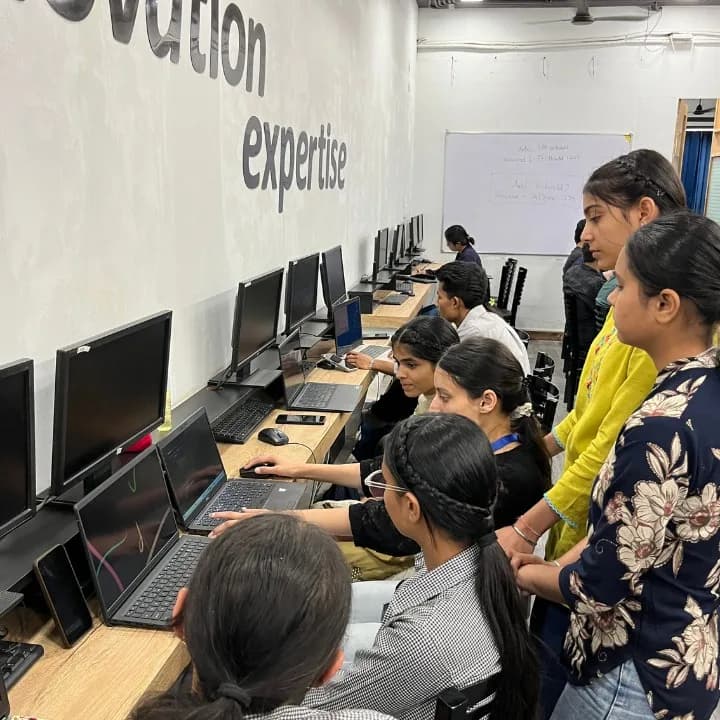
Personalised guidance
Small batches mean your mentor knows what you are stuck on and what you are aiming at.
Doubt support that continues
Doubt sessions and mentor hours carry on after the certificate is printed.
Frequently asked questions
The questions counsellors are asked most about CNC Manual Programming.
Yes. CNC Manual Programming starts from the interface and the fundamentals, so no prior software experience is assumed.
Ask About CNC Manual Programming
Send your question and a counsellor will call you back. No obligation to enrol.
- Live Project Training
- Internship Certificate
- Placement Assistance
- Industry Mentors
- Interview Preparation
- Online + Offline Mode
6 Weeks · Online / Offline
Ready to start your learning journey?
Build practical skills, work on real projects and take the next step towards your career.
Related courses
Programmes students often take alongside or after this one.
 Civil & Mechanical Engineering
AutoCAD
2D drafting and 3D modelling, to the drawing standards industry actually checks.
2 Months Civil & Mechanical Engineering
SolidWorks
Parametric part and assembly modelling for mechanical design.
2 Months Civil & Mechanical Engineering
CATIA
Surface and solid modelling for automotive and aerospace workflows.
2 Months Civil & Mechanical Engineering
NC CAD
CAD geometry prepared specifically for numerical control machining.
6 Weeks